How Machine Learning Algorithms Are Shaping Anomaly Detection Across Digital Reels and Accumulator Wagers on Licensed British Platforms
Written by Yara Long · Sep 8, 2026
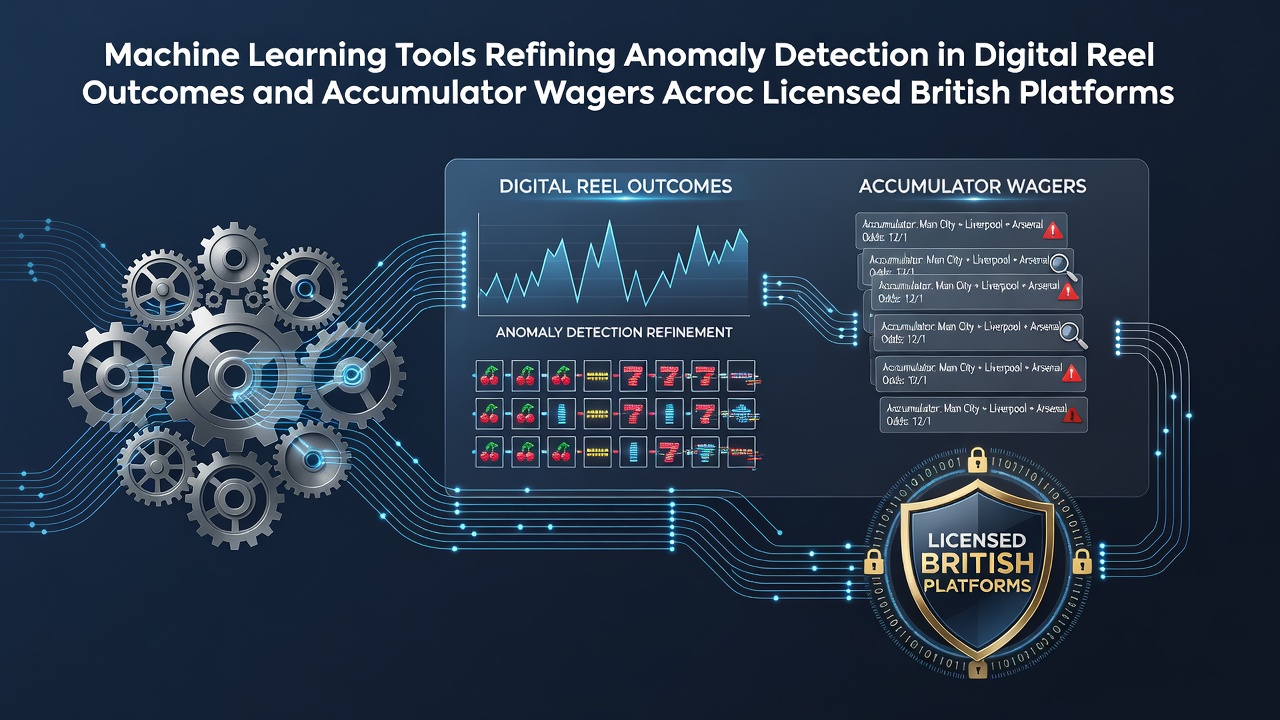
How Machine Learning Algorithms Are Shaping Anomaly Detection Across Digital Reels and Accumulator Wagers on Licensed British Platforms
Digital reel outcomes in slot games generate vast datasets of spin results, payout frequencies, and random number generator sequences while accumulator wagers combine multiple betting selections into single high-stakes positions that require precise risk modeling. Licensed British platforms process millions of these transactions daily and operators deploy machine learning systems to identify irregular patterns that deviate from established baselines. These tools analyze historical data streams in real time and flag sequences that suggest technical faults, player collusion, or potential manipulation attempts.
Core Mechanisms Behind Machine Learning Anomaly Detection
Supervised learning models train on labeled datasets of past anomalies while unsupervised approaches cluster normal behavior and isolate outliers without prior examples. Researchers at institutions such as the University of Sydney have documented how ensemble methods combine decision trees with neural networks to improve detection accuracy across high-volume transaction logs. Data from these studies shows that hybrid architectures reduce false positive rates by integrating temporal features like betting velocity with spatial indicators such as geographic access patterns.
Feature engineering plays a central role because raw outcome logs contain noise from legitimate variance. Engineers extract variables including jackpot hit intervals, stake distribution across accumulator legs, and correlation between reel symbol frequencies and payout triggers. Once processed these features feed into models that update continuously as new data arrives and maintain performance as game libraries expand or betting markets shift.
Application to Digital Reel Outcomes
Slot machines on regulated platforms must comply with strict randomness standards yet operators still monitor for deviations that could indicate hardware degradation or software tampering. Machine learning systems track thousands of individual game instances simultaneously and compare live distributions against theoretical probabilities stored in reference models. When reel symbol sequences cluster outside expected confidence intervals the system generates alerts that prompt manual review or temporary game suspension.
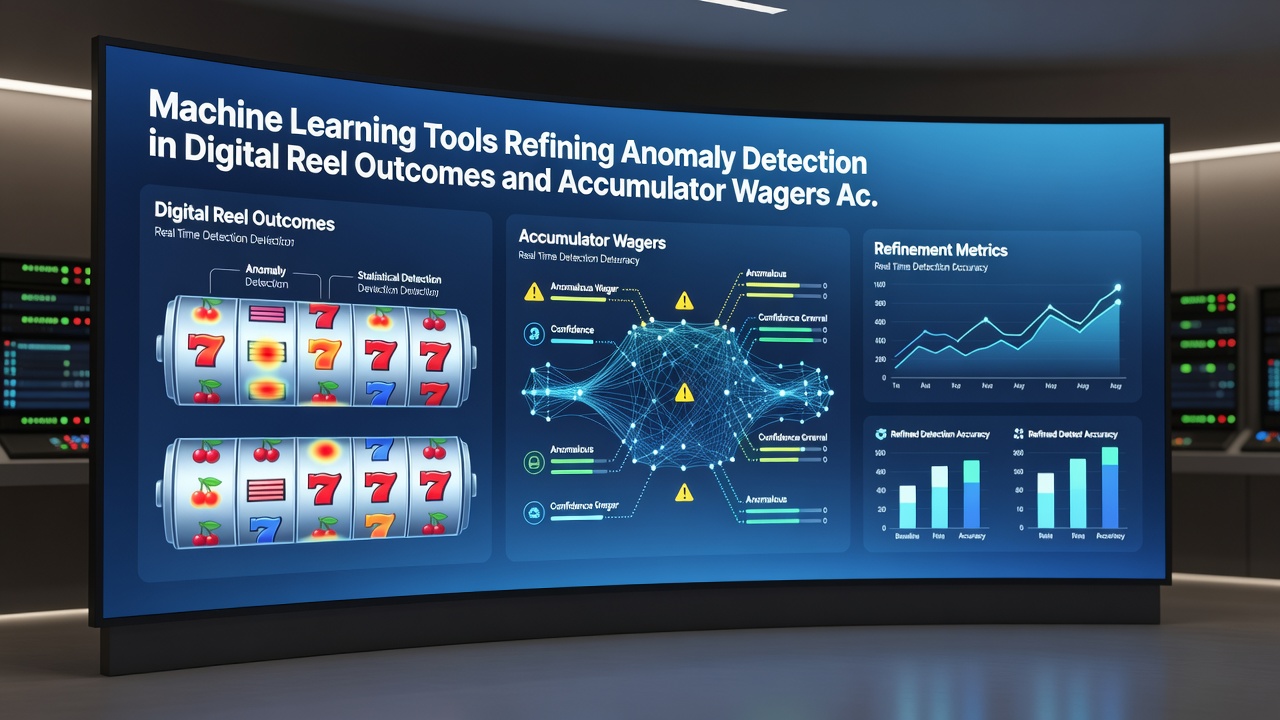
One documented case involved a cluster of progressive jackpot triggers occurring within a narrow time window across several linked machines. The detection platform isolated the event because payout timing exceeded normal variance thresholds and subsequent investigation traced the issue to a configuration error rather than external interference. Such examples illustrate how these tools support both security and operational integrity without requiring constant human oversight.
Monitoring Accumulator Wagers for Irregular Activity
Accumulator bets introduce additional complexity because they link multiple independent events into single outcomes with multiplied odds. Machine learning models evaluate each leg against historical performance data and assess overall stake distribution across correlated selections. Sudden spikes in accumulator volume on low-probability combinations trigger further scrutiny because such patterns may reflect coordinated betting syndicates or information asymmetries.
Platforms integrate these detection layers with player account profiling to differentiate between sophisticated legitimate strategies and potential abuse. According to reports from the Nevada Gaming Control Board, similar systems deployed in other jurisdictions have identified instances where multiple accounts placed synchronized accumulator stakes on identical selections shortly before event information became widely available. British operators apply comparable techniques while adapting thresholds to local market conditions and regulatory expectations.
Integration with Platform Operations and Compliance
Operators embed anomaly detection within broader risk management frameworks that connect to payment processing, account verification, and game certification systems. Alerts generated by machine learning pipelines route to compliance teams who cross-reference findings with external data sources such as industry reports from the Canadian Gaming Association. This layered approach ensures that isolated anomalies receive prompt attention while systemic issues trigger broader platform audits.
Scheduled updates in September 2026 will introduce enhanced data-sharing protocols among licensed operators and technology providers that aim to standardize anomaly reporting formats across the sector. These protocols build on existing frameworks and emphasize interoperability between different machine learning vendors without mandating specific algorithmic approaches.
Conclusion
Machine learning continues to refine the precision of anomaly detection systems that safeguard digital reel outcomes and accumulator wagers on licensed British platforms. The combination of real-time analysis, adaptive modeling, and integration with regulatory processes creates a robust environment for maintaining game integrity and betting fairness. As datasets grow and algorithms mature these tools will likely expand their role in supporting secure and transparent operations across the industry.